


The Thrill of Uncertainty
The allure of casino games often lies in their unpredictable nature. Players are drawn to the excitement that comes with not knowing the outcome of their bets. This uncertainty activates the brain’s reward system, releasing dopamine and creating feelings of pleasure. The psychology behind this thrill can be traced to our evolutionary instincts, where unpredictability often signaled both danger and opportunity. Interestingly, many players are now exploring no kyc casinos as a way to enhance their gambling experience without the typical restrictions.
Furthermore, this unpredictability feeds into the concept of variable reinforcement, which is a core element in behavioral psychology. When players win unexpectedly or achieve a rare payout, the anticipation builds, encouraging them to continue gambling. This cycle of risk and reward keeps players engaged, often leading to prolonged gambling sessions and an increased desire to return for more.
The Social Aspect of Gambling
Casino games often serve as social hubs where individuals come together, forging connections over the shared experiences of winning and losing. The environment of casinos is designed to foster interaction, with players often finding camaraderie in the ups and downs of the games. This social dimension satisfies basic human needs for companionship and belonging.
Additionally, group dynamics play an essential role in the gambling experience. Players may feel more compelled to gamble when they see others winning or having fun, amplifying their desire to participate. The communal atmosphere can create a sense of shared excitement, reinforcing the social aspect of gambling beyond mere financial motivation.
The Role of Cognitive Biases
Cognitive biases heavily influence our gambling decisions, often causing irrational behavior. One of the most prominent biases is the “gambler’s fallacy,” where individuals believe that past events can influence future outcomes. For instance, a player might think that after several losses, a win is due, leading them to place more bets in hopes of recovering their losses.
Moreover, confirmation bias can also affect gambling behavior. Players tend to seek out information that supports their belief that they can win and ignore evidence that contradicts it. This selective perception can lead to a distorted understanding of odds and probabilities, further entrenching them in their gambling habits.
The Impact of Marketing and Design
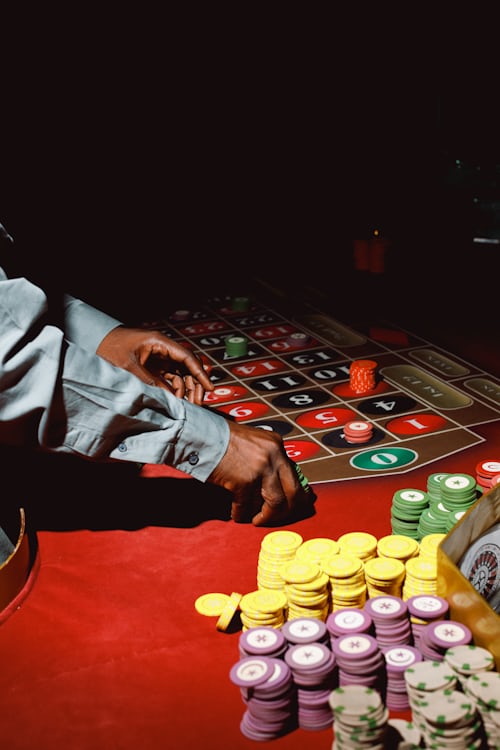
Casino games are meticulously designed to maximize engagement through visuals and sound. Bright colors, flashing lights, and enticing sounds are all intentional elements that create an immersive experience, drawing players in and prolonging their time spent at the gaming tables. The psychological impact of these designs cannot be understated; they play a critical role in enhancing the thrill associated with gambling.
Furthermore, marketing strategies employed by casinos often emphasize big wins and testimonials, reinforcing the idea that anyone can hit the jackpot. This creates a hopeful mindset among players, encouraging them to partake in the games with the belief that they could be the next big winner, despite the odds generally being against them.
Leadmonk.io: Empowering Your Online Experience
At Leadmonk.io, we understand the complexities of human psychology and how it influences various activities, including gambling. Our platform offers resources to streamline your online tasks, ensuring a smooth digital experience. By recognizing the psychological factors that motivate users, we aim to empower individuals to enhance their productivity and workflows.
Whether you are looking to optimize your online interactions or gain insights into behavioral patterns, our tools are designed to cater to your needs. Join us at Leadmonk.io to unlock your potential and make informed decisions in all your digital engagements.