


The cultural significance of casinos in modern society A deep dive with PinUp
The Evolution of Casinos in Society
Casinos have transformed from exclusive establishments catering to the elite into mainstream entertainment venues accessible to a diverse audience. This shift reflects broader social changes, where gambling is no longer seen solely as a vice but rather as a form of recreation. The evolution of casinos has paralleled advancements in technology and shifts in public perception, allowing them to occupy a significant cultural space in modern society. For instance, players can easily enjoy the book of ra slot demo without registration to get a feel of the game before committing financially.
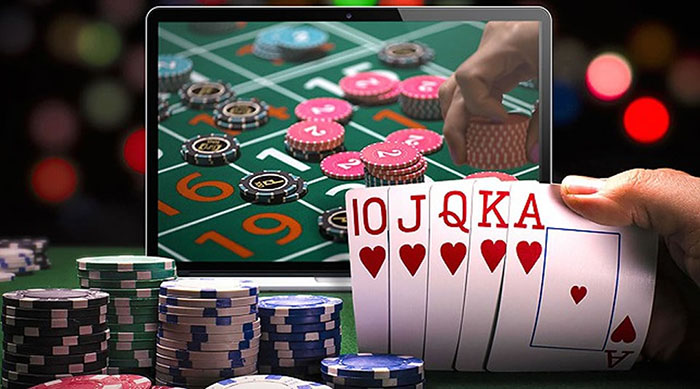
In many cultures, casinos symbolize excitement and risk, offering an escape from daily routines. The vibrant atmosphere, filled with lights and sounds, captivates individuals and encourages social interaction. As a result, casinos have become cultural landmarks, often representing cities like Las Vegas and Monte Carlo, further embedding gambling into the societal fabric.
The Psychology of Gambling
The psychology behind gambling is complex and fascinating. Gamblers often engage in this activity for a variety of reasons, including the thrill of risk-taking, social bonding, and the potential for financial gain. For many, casinos offer a safe space to explore these emotions, providing an adrenaline rush that can be addictive. Understanding the psychological factors at play is crucial for addressing issues related to gambling addiction. It’s interesting to note how book of ra slot demo without registration appeals to these psychological needs by allowing players to try without commitment.
Moreover, casinos have adapted to these psychological aspects by creating environments that encourage repeated visits. High-volatility games, such as slot machines, are designed to keep players engaged, often utilizing themes that resonate culturally, like the popular Book of Ra slot. This melding of psychology and game design underscores the significant role casinos play in modern entertainment.
The Role of Casinos in Social Dynamics
Casinos serve as social hubs, facilitating connections among diverse groups. They attract individuals from various backgrounds, fostering an environment where people can come together to share experiences. This communal aspect can strengthen social ties and promote inclusivity, challenging the stereotype of gambling as a solitary activity.
Additionally, casinos often host events, concerts, and tournaments, enhancing their role in the social landscape. Such activities encourage community involvement and provide a platform for local culture and creativity. The social dynamics cultivated within casinos reflect broader societal trends, illustrating how these establishments can influence social interaction.
Casinos and Economic Impact
The economic implications of casinos are significant, contributing to local and national economies. They create jobs, attract tourism, and generate tax revenue, which can be reinvested in public services. As a result, casinos often play a vital role in community development and infrastructure improvement.
Furthermore, the proliferation of online casinos has expanded this economic impact, allowing for remote participation in gaming activities. Platforms like PinUp provide a seamless gaming experience, highlighting the growing intersection of technology and gambling. This evolution not only enhances accessibility but also creates new avenues for economic growth in the digital age.

PinUp: A Modern Casino Experience
PinUp Casino stands out in the ever-evolving landscape of online gambling by focusing on user engagement and responsible gaming. With its intuitive interface and captivating games, including the Book of Ra slot, PinUp caters to a wide range of players, emphasizing both enjoyment and safety. The platform is designed to allow users to easily manage their accounts and explore various gaming options without unnecessary barriers.
Furthermore, PinUp advocates for responsible gaming, enabling players to set limits and encouraging a healthy approach to gambling. This commitment to player welfare highlights the cultural significance of casinos in modern society, as they adapt to meet the needs and preferences of their users while maintaining a focus on responsible practices.